Sweden's Legal Framework and Its Influence on Digital Slot Incentives
Dana Schmitz · Aug 19, 2026
Sweden's Legal Framework and Its Influence on Digital Slot Incentives
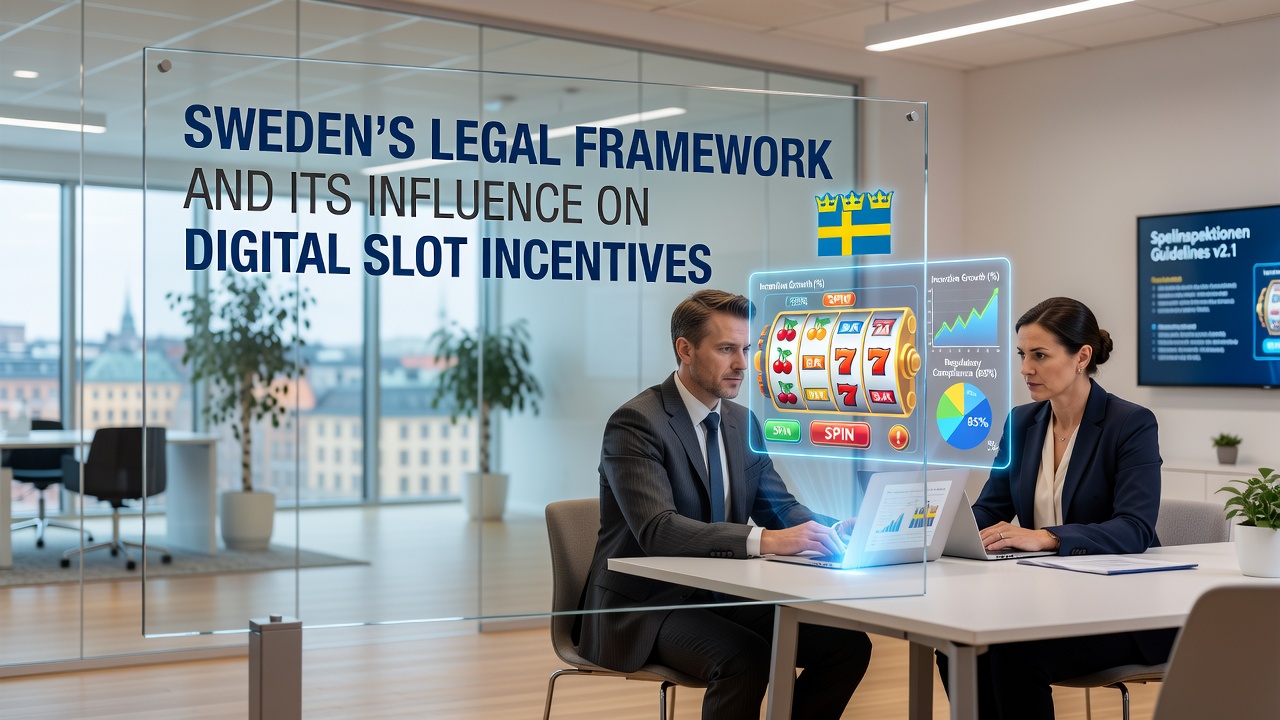
Sweden established its current gambling regulation through the Gambling Act of 2018 which created a licensed market and placed strict controls on promotional offers for digital slots, and those rules continue to shape how operators structure incentives such as deposit matches and free rounds. The framework requires every provider targeting Swedish players to hold a license from Spelinspektionen while enforcing clear limits on bonus frequency and eligibility, and data from the authority shows that these measures reduced certain high-risk promotional patterns within the first three years of implementation.
Core Elements of the 2018 Gambling Act
Under the Act operators must separate bonus funds from player deposits in transparent ways, and they face caps on how many times a player can receive welcome incentives within a set period, and this structure directly affects digital slot campaigns because providers can no longer issue recurring free spins to the same account without triggering review. Researchers at the Swedish National Board of Health and Welfare have documented corresponding drops in excessive bonus chasing behavior after the rules took effect, and the same studies note that licensed sites now display wager requirements in standardized formats that make comparison easier for users.
Role of Spelinspektionen in Overseeing Incentives
Spelinspektionen reviews every bonus campaign before or shortly after launch to confirm compliance with consumer protection standards, and it issues fines when operators fail to meet advertising disclosure rules or when incentives target self-excluded players. Figures released by the agency in recent annual reports indicate that slot-related promotions account for a large share of the cases examined each quarter, and compliance rates have improved steadily as companies adapt their marketing systems to the licensing conditions.
Impact on Digital Slot Operators and Player Offers
Because the law restricts bonuses to new customers in most cases, established players encounter fewer ongoing free spin packages and instead see loyalty programs that rely on cashback rather than additional spins, and this shift has pushed developers of slot games to focus more on base game features that retain interest without heavy reliance on promotional triggers. One study conducted by academics at Stockholm University tracked account activity across licensed platforms and found that average wager per bonus euro declined after the restrictions, suggesting players engage more selectively with the games themselves.
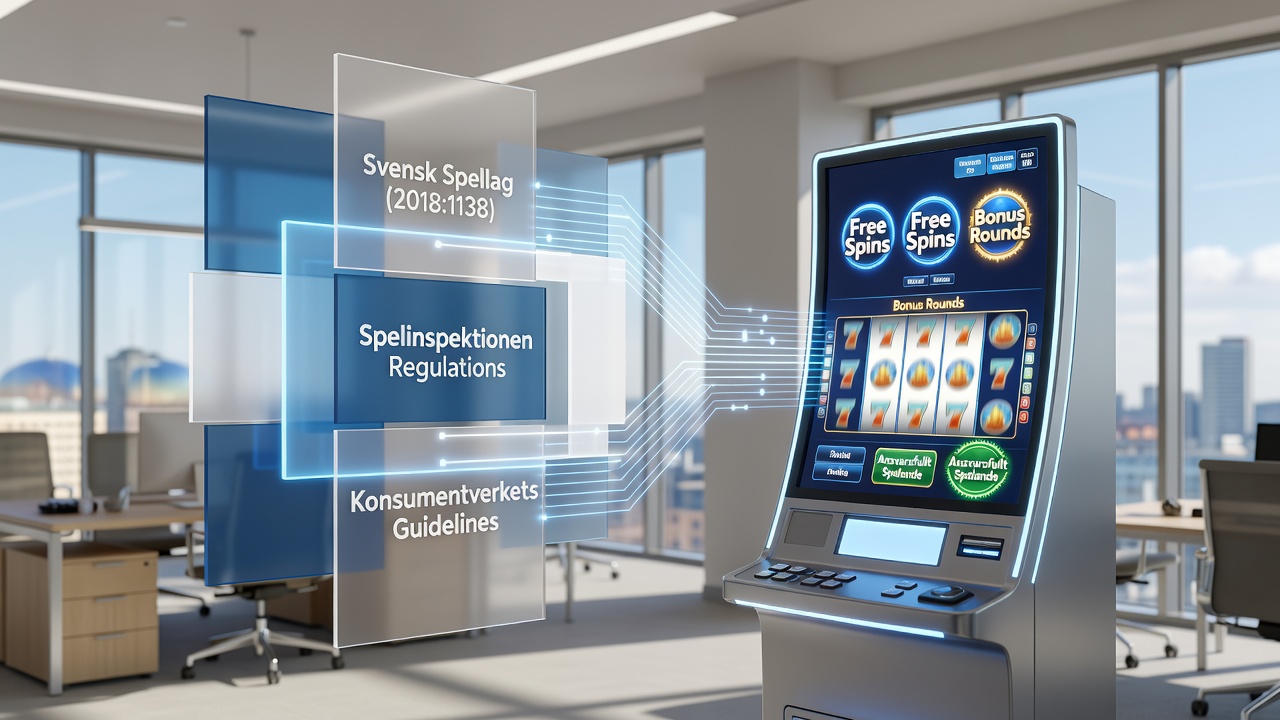
Operators must also ensure that any incentive linked to digital slots includes a clear end date and maximum win cap, and failure to display these details can result in campaign suspension. Industry reports compiled by the European Gaming and Betting Association highlight how Swedish licensees have adjusted their global campaign calendars to meet these domestic requirements while maintaining separate offerings for other markets.
Upcoming Developments Around August 2026
Preparations for a scheduled evaluation of the Gambling Act are underway with stakeholder consultations planned for August 2026, and participants expect discussions to focus on whether current bonus limits need adjustment in light of new game formats and mobile payment methods. Government documents indicate that any proposed changes would still prioritize player protection while aiming to keep the licensed market competitive against unlicensed sites that continue to target Swedish users through foreign domains.
Comparison With Other Jurisdictions
Observers note that Sweden's approach differs from the more permissive bonus environments found in parts of Canada and Australia where regulators allow repeated reload offers without the same frequency caps, and data compiled by the Canadian Centre on Substance Use and Addiction shows higher reported bonus-related spending in those regions. Swedish rules therefore create a distinct incentive landscape that favors long-term game design over short-term promotional volume.
Conclusion
The 2018 framework and its ongoing administration by Spelinspektionen have produced measurable changes in how digital slot incentives are designed, presented, and limited for Swedish players, and the upcoming review in August 2026 will determine whether further refinements occur. Licensed operators continue to adapt their offerings within these boundaries while researchers track the effects on player behavior and market stability.